
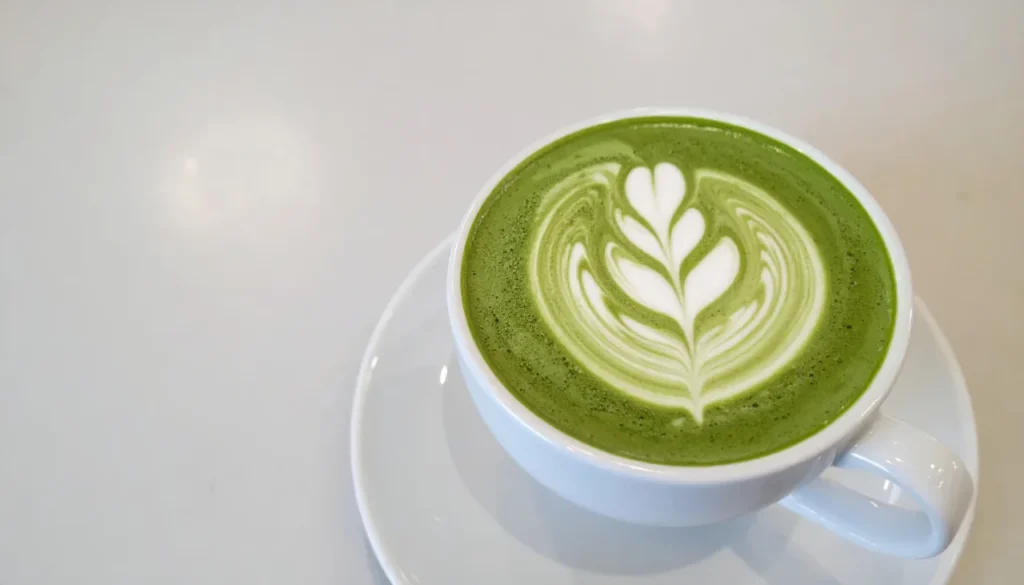
A proper matcha latte is one of those small daily luxuries, and it takes about as long as waiting for the kettle. The gap between a good one and a bitter, clumpy one comes down to three things: decent matcha, water that is hot rather than boiling, and a bamboo whisk to bring it together. Get those right and the cafe version starts to feel like a waste of money.
The recipe
Ingredients
Method
- Sift the matcha into a bowl or wide cup to catch any lumps.
- Pour over the hot water. Keep it under boiling, around 80C, or the matcha turns bitter.
- Whisk briskly in a light W or M motion for 15 to 20 seconds, until a fine green froth forms on top.
- Warm and froth your milk, then pour it slowly over the matcha.
- Sweeten to taste and serve straight away, while the froth is still there.
Tip No thermometer? Boil the kettle, then let it stand for two minutes before pouring. That gets you close to 80C.
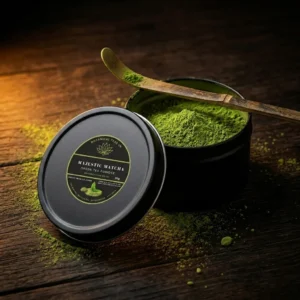
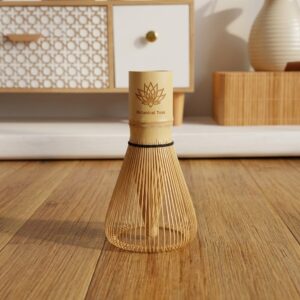
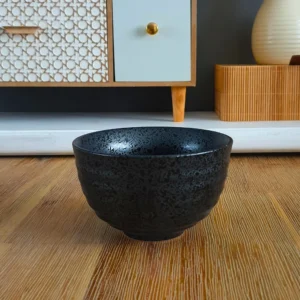
Making more than one, or want it stronger? Use the calculator to scale the matcha, water and milk to the exact cup you are after.
How much matcha?
Get the ratio right for whatever you are making.
The matcha you start with
A latte is forgiving, but it is not magic. Culinary grade will taste a little more astringent under the milk, which some people actually prefer in a latte because it cuts through. Ceremonial grade keeps it smooth and sweet with a cleaner finish. If you are buying one tin to do everything, our Grade A ceremonial matcha handles both a straight bowl and a latte without going harsh. Sift it before it meets water, every time, and half the battle is already won.
Choosing your milk
Any milk works, but they behave differently. Oat froths the best and has a natural sweetness that suits matcha. Whole dairy is the richest. Almond and coconut are lighter and let more of the tea come through. Warm it gently rather than boiling it, and it will hold a foam far better.
Getting the froth right
The froth comes from the whisk, not the milk. Hold the whisk loosely and move it in a quick W or M shape across the base of the bowl, not round in circles. Fifteen to twenty seconds is enough for a fine, pale foam to lift to the top. If your matcha still clumps, sift it before you add the water and the problem disappears.
Common questions
Can I make a matcha latte without a whisk?
You can. Put the matcha and a splash of water in a lidded jar and shake it hard for ten seconds, then top with milk. It will not froth quite like a whisked bowl, but it dissolves the powder well and there is nothing to wash up. A small electric frother works too.
How much caffeine is in a matcha latte?
A single serving made with two grams of matcha carries roughly 60mg of caffeine, a little under a standard espresso. Because matcha also contains L-theanine, most people find the lift steadier and longer than coffee, without the sharp drop afterwards.
Hot or iced, which uses more matcha?
The same. Both start from a two gram base per serving. For iced you simply whisk it with a little cool water first, then build the glass over ice, so the melting ice does not water down the flavour.
Good to know
Because this is ceremonial grade, it is smooth enough that you may not want to sweeten it at all. Matcha also carries caffeine alongside L-theanine, the amino acid people associate with a calmer, steadier kind of alertness than coffee gives. One in the morning tends to be plenty.
Prefer it cold? The iced matcha latte uses the same method, just poured long over ice. New to whisking? The how to make matcha guide walks through it step by step, and if you are not sure which grade suits you, the find your matcha quiz points you to the right tin in about a minute.